


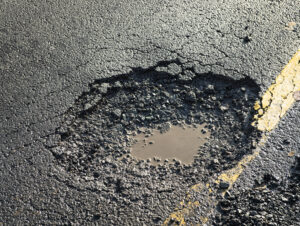
If you’ve noticed cracking in your asphalt driveway in Mooresville, you’re not alone. With our region’s humid subtropical climate, freeze-thaw cycles in winter, and the summer heat that bakes surfaces along Brawley School Road and around Lake Norman, asphalt driveways take a real beating.
Cracks aren’t just cosmetic. They are early signs that your driveway needs attention before the damage spreads. As a Mooresville-based asphalt contractor, we’ve helped countless homeowners from Morrison Plantation to the Brookridge Estates area restore their driveways and prevent future problems.
Here’s exactly what to do if cracking has started.
Key Takeaways
- Small cracks in Mooresville driveways often come from the sun, water buildup, or weak soil under older asphalt surfaces.
- A clean crack with flexible filler lasts longer through Mooresville’s changing weather and heavy summer rainfall patterns.
- Sealcoating, avoiding heavy vehicles, and cutting back roots help prevent cracking across driveways in local neighborhoods.
- Poor drainage and deep damage need expert repair from a Mooresville contractor who understands local soil and weather.
Inspect the Type and Severity of the Cracks
Before rushing into asphalt repairs, it’s important to assess what you’re dealing with.
In Mooresville, we often see hairline cracks caused by surface oxidation from UV exposure, especially on older driveways in neighborhoods like Curtis Pond.
On the other hand, wider alligator cracks—often due to poor drainage or base failure—are more serious and common on sloped lots near East Waterlynn Road. Knowing the crack type helps determine whether a simple patch will do or if a deeper structural issue needs attention.
Check for Drainage Issues Around the Driveway
Many asphalt driveways in Mooresville were built without proper grading or have settled over time. Standing water near the edges, particularly after one of our frequent late-summer storms, can cause cracks to worsen.
If you’re near areas like Kistler Farm Road or Spring Acres, where clay-heavy soils retain moisture, checking for pooling water or signs of erosion is essential.
Inadequate drainage may be the root cause of your cracking and needs to be corrected before any repairs are made.
Clean the Cracks Thoroughly Before Any Repair
We always advise homeowners to clean the cracks thoroughly before any kind of sealing or filling. Mooresville’s mix of pine needles, pollen, and red clay dust—especially prevalent in wooded areas like Cherry Grove—can settle into cracks and prevent sealants from bonding properly.
Use a stiff wire brush, a leaf blower, or even a power washer if needed to remove all debris. This prep work is what ensures the repair materials actually do their job.
Apply the Right Filler or Sealant for Local Climate Conditions
Choosing the right crack filler makes a big difference.
For Mooresville’s temperature swings—from frosty January mornings to 90+ degree afternoons in July—you need a flexible asphalt filler that can expand and contract with the weather. Products rated for freeze-thaw cycles are especially important for homes in elevated neighborhoods like The Point, where winter temps dip lower than in town.
If the cracks are over half an inch wide, we recommend a hot rubberized crack filler professionally applied to ensure a long-lasting seal.
Schedule a Professional Assessment for Deeper or Spreading Cracks
If your cracks are spreading or forming patterns, that’s usually a sign of a deeper problem beneath the surface. This is where DIY solutions won’t cut it.
We regularly inspect driveways across Mooresville for base failure, improper compaction, or subgrade erosion—particularly in older developments off Mecklenburg Highway where soil movement is more common.
A professional assessment will determine if you need patching, resurfacing, or even a partial rebuild to fix the underlying cause.
Know How to Maintain a Crack-Free Driveway
If you want to keep your asphalt driveway crack-free in Mooresville, here’s what we recommend doing on a regular basis.
Schedule Routine Sealcoating Every 2–3 Years
Sealcoating is one of the most effective ways to protect your asphalt surface from oxidation and moisture. In Mooresville, where heavy sun exposure and high humidity break down asphalt faster, we recommend homeowners in areas like Winslow Bay or Harbor Cove reapply sealcoat every 2 to 3 years.
This creates a barrier against UV rays, water, and vehicle fluids—essential for keeping your surface flexible and resistant to cracking.
Keep Heavy Vehicles off the Driveway Whenever Possible
Many Mooresville households own boats, trailers, or RVs—especially those living near Lake Norman. Parking heavy vehicles on your residential driveway for extended periods can stress the asphalt, leading to cracks and early wear.
We always advise clients near Williamson Road or Canvasback Road to use reinforced parking pads or park heavier vehicles in the street when possible to protect their driveway investment.
Manage Vegetation Growth Near the Driveway Edges
We see it all the time in neighborhoods like Franklin Grove—tree roots pushing up from underneath or grass growing into the asphalt edges. These roots can cause shifting and cracking over time, especially from fast-growing species like sweetgum or maple.
Trimming back roots, installing edge barriers, and keeping grass trimmed at the driveway border can go a long way in preventing edge cracking and surface displacement.
Address Snow and Ice With Proper Removal Tools
When winter rolls into Mooresville, especially in higher elevation areas like Ferncliff Estates, using metal shovels or rock salt can do more harm than good.
Metal edges scrape the asphalt, and salt speeds up freeze-thaw damage. Instead, use a plastic shovel and opt for calcium chloride if deicing is needed. It’s gentler on the asphalt and just as effective at melting snow and ice safely.
Inspect and Maintain Drainage Channels Regularly
Whether you live near the Mooresville Golf Course or closer to downtown along Statesville Avenue, keeping drainage ditches, gutters, and swales clear is key to protecting your driveway. Leaves and debris from fall storms can clog these channels quickly, leading to standing water and eventual cracking.
Make it a seasonal habit—especially after heavy rain—to walk your property and ensure water is flowing away from your asphalt surface.
Protect Your Driveway Before Small Cracks Become Big Repairs
At Regional Asphalt Services, Inc., we help homeowners across Mooresville—from quiet cul-de-sacs in Gabriel Estates to the lakefront properties near Langtree Road—protect and restore their asphalt driveways before the damage spreads.
We understand the local conditions, from soil type to stormwater challenges, and we know which materials and repair methods work best here.
Don’t wait until the cracks take over.
Call us today to schedule a professional driveway inspection or request a quote for repair or sealcoating. We’ll give you an honest assessment, local insight, and high-quality work that lasts.
Frequently Asked Questions
How long does an asphalt driveway repair usually take in Mooresville?
Most residential crack repairs in Mooresville take less than a day, but larger patching or resurfacing projects can take one to two days, depending on driveway size, weather, and existing damage conditions.
Can you resurface an asphalt driveway instead of replacing it completely?
Yes, if your driveway has surface wear but a stable base, we offer resurfacing services that restore appearance and function without full replacement, saving time and money for Mooresville homeowners.
How soon can I drive on my asphalt after a repair or sealcoating?
After sealcoating or crack repair, we recommend waiting at least 24 to 48 hours before driving, especially during Mooresville’s humid seasons when cure times can be slightly longer than average.
What causes potholes to form in residential driveways?
Potholes form when water enters cracks, freezes during colder Mooresville nights, and weakens the asphalt. We offer full-depth patching to fix these issues before they become larger structural problems.


