


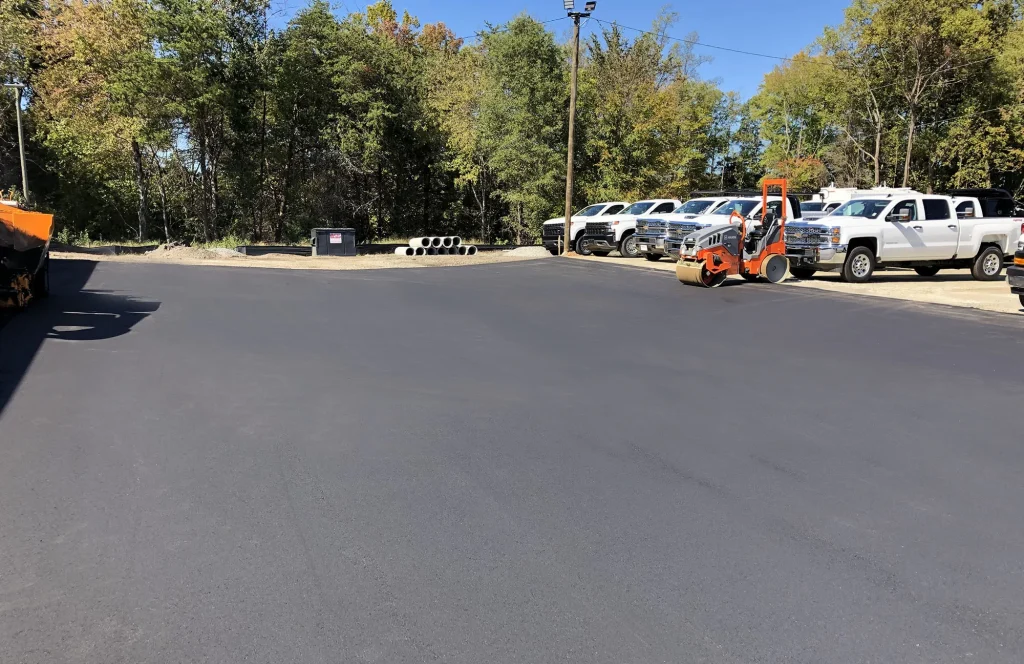
In Mooresville, NC, asphalt takes a beating year-round. Summer heat off Lake Norman, sudden thunderstorms rolling down I-77, and steady delivery traffic through business parks all shorten pavement life if surfaces are left exposed.
For commercial property owners and facility managers, the question is not whether asphalt will age, but how to control the cost of that aging. Sealcoating continues to stand out as the most cost-effective way to protect asphalt surfaces and manage long-term maintenance budgets, which leads directly to why it works so well.
Key Takeaways
- Sealcoating protects commercial asphalt from UV damage, water intrusion, and chemical exposure common in Mooresville.
- Properly timed sealcoating significantly extends pavement life and delays costly resurfacing.
- Application planning must consider traffic patterns, weather windows, and compliance requirements.
- A multi-year sealcoating cycle delivers predictable costs and stronger long-term asset performance.
Protection From UV and Oxidation
Unsealed asphalt in Mooresville oxidizes quickly under Carolina sun exposure, especially in open lots near Langtree Road or properties without shade coverage. UV rays dry out the binders that hold asphalt together, leading to brittleness and surface raveling.
Sealcoating acts as a sacrificial barrier, absorbing UV exposure so the asphalt beneath retains flexibility longer. This slows surface deterioration and reduces the frequency of higher-cost asphalt repairs.
Defense Against Water Intrusion
Heavy rains and fast drainage runoff are common near Lake Norman and low-lying commercial corridors. When water penetrates untreated asphalt, it weakens the base layers and accelerates cracking and pothole formation.
Sealcoating closes surface voids, limiting water infiltration and protecting subgrade integrity. For parking lots that see repeated storm exposure, this added moisture resistance directly extends pavement service life.
Resistance to Chemical and Oil Damage
Commercial lots in Mooresville often support delivery fleets, service vehicles, and customer traffic from automotive-related tenants. Fuel drips, oil leaks, and chemical residue soften raw asphalt and cause premature surface failure.
Sealcoating provides a chemical-resistant layer that prevents these contaminants from bonding with the pavement. This protection is especially valuable for retail centers and service facilities along NC-150 and Williamson Road.
Improved Load Distribution and Wear Performance
High-traffic commercial sites experience concentrated stress at entrances, dumpster pads, and loading zones. While sealcoating does not add structural thickness, it helps distribute surface wear more evenly and reduces surface abrasion.
In industrial parks near Interstate 77, this added durability helps pavement withstand daily truck movements without rapid surface loss.
Lower Lifecycle Maintenance Costs
From a financial standpoint, sealcoating shifts spending from reactive repairs to planned maintenance. A properly sealed surface reduces crack propagation and delays the need for major rehabilitation.
Compared to milling and resurfacing, sealcoating represents a fraction of the cost and allows property managers to extend capital planning cycles. For multi-asset portfolios in Iredell County, this predictability is a major advantage.
When Sealcoating Makes Sense and How To Plan the Right Application Strategy
The following considerations help ensure sealcoating is applied at the right time, in the right conditions, and as part of a broader pavement maintenance strategy rather than a reactive fix.
Asphalt Age and Surface Condition
Sealcoating is most effective on asphalt that is structurally sound but beginning to show surface aging. In Mooresville’s commercial developments, this is typically pavement between two and five years old with minor surface wear but no base failure.
Lots with extensive alligator cracking or subgrade movement require repairs before sealcoating can be considered part of the maintenance plan.
Traffic Patterns and Usage Intensity
Application timing should align with how a property is used. Retail centers near Main Street require short cure windows and phased access planning to avoid tenant disruption. Industrial facilities may schedule sealcoating during weekend shutdowns or low-traffic periods.
Understanding daily traffic loads and peak usage is critical to selecting the right sealcoat type and scheduling strategy.
Seasonal Timing and Weather Windows
In Mooresville, sealcoating typically performs best from late spring through early fall when temperatures remain above manufacturer minimums, and humidity can be managed.
Spring applications help prepare lots for summer heat, while early fall sealing protects surfaces before winter moisture cycles. Scheduling around local weather patterns reduces curing risks and ensures proper adhesion.
Compliance and Site Logistics
Commercial sealcoating often intersects with ADA access routes, fire lanes, and local inspection requirements. Planning must account for temporary striping removal, accessible parking coordination, and safe pedestrian routing.
Properties governed by municipal guidelines or tenant lease agreements benefit from planning that keeps projects compliant and avoids operational interruptions.
Budget Planning and Multi-Year Cycles
Sealcoating should be part of a broader pavement management plan rather than a one-off service. Many Mooresville commercial owners adopt a two to three-year sealcoating cycle paired with annual crack sealing and periodic striping updates.
This approach spreads costs evenly, improves forecasting accuracy, and reduces emergency repair spending.
Take Control of Your Pavement Lifecycle Costs
Asphalt protection works best when it is planned, not reactive. At Regional Asphalt Services, Inc., we help commercial property owners and facility managers across Mooresville evaluate surface conditions, traffic demands, and maintenance timelines before problems escalate.
By scheduling a sealcoating assessment now, we can identify the right application window, coordinate around site operations, and build a maintenance strategy that protects your pavement and your budget. Contact us to request a site evaluation and plan your next sealcoating cycle with confidence.
Frequently Asked Questions
How do we know if our Mooresville property is ready for sealcoating?
An evaluation typically looks at asphalt age, crack severity, drainage performance, and base stability, with lots under five years old and minimal structural distress being ideal candidates.
What preparation is required before sealcoating a commercial lot?
Preparation usually includes cleaning, crack sealing, oil spot treatment, and minor repairs to meet manufacturer specifications and local access requirements.
How long does a commercial sealcoating project take?
Most projects can be completed within one to two days, followed by a curing period that varies with temperature and humidity common to the Lake Norman region.
Are there regulations we need to consider during sealcoating?
Commercial projects must account for ADA access routes, fire lanes, and any municipal guidelines that apply to striping, closures, and temporary traffic control.


