


What to Expect From a Driveway Company During Residential Work
 If you are thinking about replacing or resurfacing your driveway in Mooresville, NC, you probably want to know what the process actually looks like once a crew shows up.
Between Lake Norman weather, red clay soil, and neighborhood HOAs, driveway work here has its own rhythm. A professional driveway company should guide you through each phase clearly, keep disruption to a minimum, and leave you with a surface built for local conditions.
Here is what that experience should look like from start to finish, and how you can prepare with confidence.
Key Takeaways
- A professional driveway project follows a clear sequence from evaluation through final walkthrough.
- Proper base preparation and grading are critical in Mooresville’s soil and weather conditions.
- Homeowners should plan for access, curing time, and local HOA or permit requirements.
- Understanding materials and cost drivers leads to better long-term value and fewer surprises.
The Residential Driveway Process From Start to Finish
A well-run residential driveway project follows a predictable sequence, with each step building toward durability and long-term performance in Iredell County conditions.
Initial Site Evaluation and Measurement
Every project starts with an on-site evaluation of your driveway and surrounding property. In Mooresville neighborhoods like Morrison Plantation or around Brawley School Road, this means checking slope, drainage paths, and how water moves after heavy summer storms.
We measure square footage, note access points, and look at how close the driveway is to garages, sidewalks, or retaining walls. This step matters because local soil composition and runoff patterns directly affect how long your asphalt will last.
Surface Preparation and Removal
Preparation is where long-term performance is decided. If the existing driveway is failing, cracked, or sinking, removal may be necessary.
In older homes near downtown Mooresville, we often see thin asphalt over unstable base, which has to be addressed before new material goes down. Crews remove damaged asphalt, grade the sub-base, and compact it to handle vehicle weight and seasonal temperature swings common in the Lake Norman area.
Base Repair and Grading
Once the surface is cleared, attention turns to the foundation. Proper grading ensures water flows away from your home, not toward it. This is especially important after heavy rains common in late spring and summer.
In areas with clay-heavy soil, additional base stone may be added to improve stability. This step reduces future cracking and prevents low spots that collect water and shorten driveway life.
Asphalt Installation and Compaction
The asphalt itself is installed while hot and workable, then compacted to the correct density. Timing matters here. Local crews plan around temperature and humidity, which can affect curing in North Carolina.
Proper compaction creates a smooth finish that holds up to daily use, from family vehicles to delivery trucks common in growing Mooresville subdivisions.
Curing, Cleanup, and Final Walkthrough
After installation, the driveway needs time to cure. Homeowners are typically advised to avoid parking for at least 24 to 48 hours, depending on weather. Crews clean up edges, remove debris, and review care instructions with you.
A final walkthrough confirms transitions at the garage and street are smooth and safe, which is especially important on streets managed by the Town of Mooresville or local HOAs.
How Homeowners Can Prepare and Make Informed Decisions
Knowing what to expect allows you to plan ahead, avoid surprises, and get the most value from your investment.
Understanding Local Permits and HOA Guidelines
Some neighborhoods in Mooresville require HOA approval before exterior work begins. Others may have guidelines on driveway width or materials.
In certain cases, work near the street may involve coordination with the Town of Mooresville or NCDOT. Understanding these requirements early prevents delays and keeps your project on schedule.
Planning Access and Daily Logistics
Driveway work temporarily changes how you access your home. Homeowners should plan parking alternatives, especially in tighter communities near Lake Norman where street parking may be limited.
Clearing the area of vehicles, basketball goals, or trash bins helps crews work efficiently and reduces the risk of surface damage during installation.
Evaluating Materials and Long-Term Value
Not all asphalt is the same. Thickness, base preparation, and compaction all affect lifespan. In Mooresville’s climate, a properly built asphalt driveway can last 15 to 20 years with routine maintenance.
Understanding what is included in your estimate helps you compare value, not just price, and avoid shortcuts that lead to premature repairs.
Knowing Cost Ranges and What Influences Them
Residential driveway projects in the Mooresville area typically fall within a broad range depending on size, prep work, and access. Estimates are just that, estimates, and final pricing depends on factors like base repair needs, removal of old asphalt, and seasonal demand.
Asking clear questions about what drives cost gives you better control over your budget and expectations.
Schedule Your Residential Driveway Consultation
A new driveway is a major upgrade to your home’s appearance and daily function, but only when the process is handled correctly.
If you are planning residential driveway work in Mooresville or nearby Lake Norman communities, our team at Regional Asphalt Services, Inc. is ready to walk your property, explain your options, and provide a clear, realistic plan.
Contact us to schedule a consultation and take the next step toward a driveway built for local conditions and long-term use.
Frequently Asked Questions
As a Mooresville homeowner, how long should a residential driveway project take?
Most residential asphalt driveways take one to two days for active work, depending on size and prep requirements. Curing time follows installation, with limited access recommended for 24 to 48 hours, longer during cooler or humid weather common near Lake Norman.
What maintenance should we plan for after installation?
Routine maintenance includes keeping the surface clean, sealing cracks early, and scheduling sealcoating every few years. In North Carolina, sealcoating schedules often align with spring or fall to avoid extreme heat and improve adhesion.
Do we need permits for driveway replacement in Mooresville?
Permit needs depend on proximity to the roadway and any changes to drainage or apron connections. Coordination with the Town of Mooresville or NCDOT may be required when work impacts the public right-of-way, and HOA approval may also apply.
How soon can we sealcoat a new asphalt driveway?
New asphalt should typically cure for several months before sealcoating. This allows oils to fully set and prevents trapping moisture, which is especially important in humid Iredell County conditions for long-term performance.
Why Sealcoating Remains the Most Cost-Effective Asphalt Protection Strategy
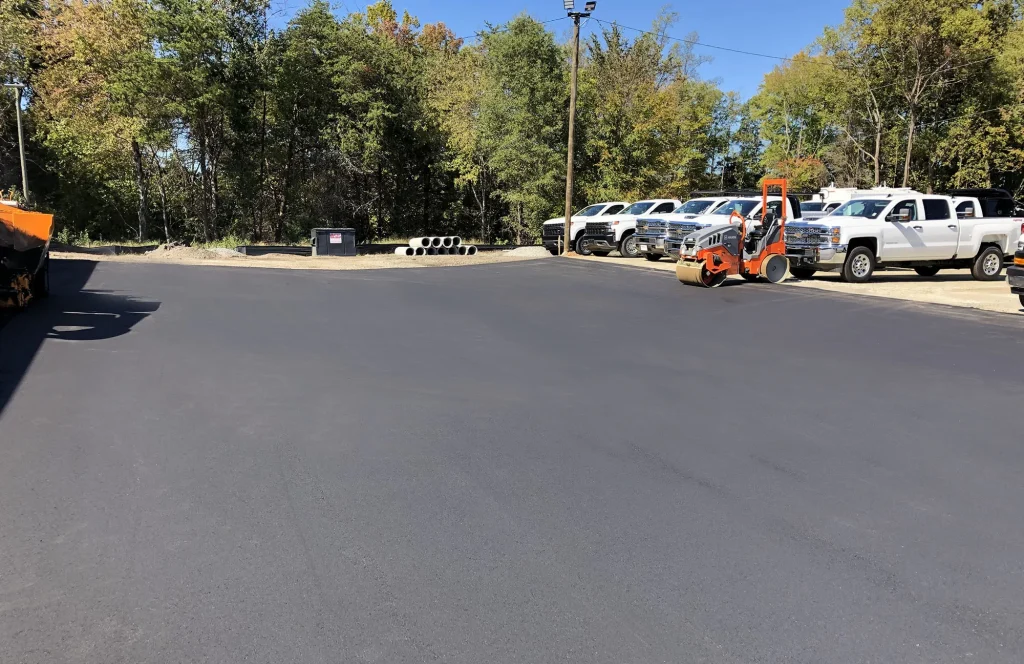
In Mooresville, NC, asphalt takes a beating year-round. Summer heat off Lake Norman, sudden thunderstorms rolling down I-77, and steady delivery traffic through business parks all shorten pavement life if surfaces are left exposed.
For commercial property owners and facility managers, the question is not whether asphalt will age, but how to control the cost of that aging. Sealcoating continues to stand out as the most cost-effective way to protect asphalt surfaces and manage long-term maintenance budgets, which leads directly to why it works so well.
Key Takeaways
- Sealcoating protects commercial asphalt from UV damage, water intrusion, and chemical exposure common in Mooresville.
- Properly timed sealcoating significantly extends pavement life and delays costly resurfacing.
- Application planning must consider traffic patterns, weather windows, and compliance requirements.
- A multi-year sealcoating cycle delivers predictable costs and stronger long-term asset performance.
Protection From UV and Oxidation
Unsealed asphalt in Mooresville oxidizes quickly under Carolina sun exposure, especially in open lots near Langtree Road or properties without shade coverage. UV rays dry out the binders that hold asphalt together, leading to brittleness and surface raveling.
Sealcoating acts as a sacrificial barrier, absorbing UV exposure so the asphalt beneath retains flexibility longer. This slows surface deterioration and reduces the frequency of higher-cost asphalt repairs.
Defense Against Water Intrusion
Heavy rains and fast drainage runoff are common near Lake Norman and low-lying commercial corridors. When water penetrates untreated asphalt, it weakens the base layers and accelerates cracking and pothole formation.
Sealcoating closes surface voids, limiting water infiltration and protecting subgrade integrity. For parking lots that see repeated storm exposure, this added moisture resistance directly extends pavement service life.
Resistance to Chemical and Oil Damage
Commercial lots in Mooresville often support delivery fleets, service vehicles, and customer traffic from automotive-related tenants. Fuel drips, oil leaks, and chemical residue soften raw asphalt and cause premature surface failure.
Sealcoating provides a chemical-resistant layer that prevents these contaminants from bonding with the pavement. This protection is especially valuable for retail centers and service facilities along NC-150 and Williamson Road.
Improved Load Distribution and Wear Performance
High-traffic commercial sites experience concentrated stress at entrances, dumpster pads, and loading zones. While sealcoating does not add structural thickness, it helps distribute surface wear more evenly and reduces surface abrasion.
In industrial parks near Interstate 77, this added durability helps pavement withstand daily truck movements without rapid surface loss.
Lower Lifecycle Maintenance Costs
From a financial standpoint, sealcoating shifts spending from reactive repairs to planned maintenance. A properly sealed surface reduces crack propagation and delays the need for major rehabilitation.
Compared to milling and resurfacing, sealcoating represents a fraction of the cost and allows property managers to extend capital planning cycles. For multi-asset portfolios in Iredell County, this predictability is a major advantage.
When Sealcoating Makes Sense and How To Plan the Right Application Strategy
The following considerations help ensure sealcoating is applied at the right time, in the right conditions, and as part of a broader pavement maintenance strategy rather than a reactive fix.
Asphalt Age and Surface Condition
Sealcoating is most effective on asphalt that is structurally sound but beginning to show surface aging. In Mooresville’s commercial developments, this is typically pavement between two and five years old with minor surface wear but no base failure.
Lots with extensive alligator cracking or subgrade movement require repairs before sealcoating can be considered part of the maintenance plan.
Traffic Patterns and Usage Intensity
Application timing should align with how a property is used. Retail centers near Main Street require short cure windows and phased access planning to avoid tenant disruption. Industrial facilities may schedule sealcoating during weekend shutdowns or low-traffic periods.
Understanding daily traffic loads and peak usage is critical to selecting the right sealcoat type and scheduling strategy.
Seasonal Timing and Weather Windows
In Mooresville, sealcoating typically performs best from late spring through early fall when temperatures remain above manufacturer minimums, and humidity can be managed.
Spring applications help prepare lots for summer heat, while early fall sealing protects surfaces before winter moisture cycles. Scheduling around local weather patterns reduces curing risks and ensures proper adhesion.
Compliance and Site Logistics
Commercial sealcoating often intersects with ADA access routes, fire lanes, and local inspection requirements. Planning must account for temporary striping removal, accessible parking coordination, and safe pedestrian routing.
Properties governed by municipal guidelines or tenant lease agreements benefit from planning that keeps projects compliant and avoids operational interruptions.
Budget Planning and Multi-Year Cycles
Sealcoating should be part of a broader pavement management plan rather than a one-off service. Many Mooresville commercial owners adopt a two to three-year sealcoating cycle paired with annual crack sealing and periodic striping updates.
This approach spreads costs evenly, improves forecasting accuracy, and reduces emergency repair spending.
Take Control of Your Pavement Lifecycle Costs
Asphalt protection works best when it is planned, not reactive. At Regional Asphalt Services, Inc., we help commercial property owners and facility managers across Mooresville evaluate surface conditions, traffic demands, and maintenance timelines before problems escalate.
By scheduling a sealcoating assessment now, we can identify the right application window, coordinate around site operations, and build a maintenance strategy that protects your pavement and your budget. Contact us to request a site evaluation and plan your next sealcoating cycle with confidence.
Frequently Asked Questions
How do we know if our Mooresville property is ready for sealcoating?
An evaluation typically looks at asphalt age, crack severity, drainage performance, and base stability, with lots under five years old and minimal structural distress being ideal candidates.
What preparation is required before sealcoating a commercial lot?
Preparation usually includes cleaning, crack sealing, oil spot treatment, and minor repairs to meet manufacturer specifications and local access requirements.
How long does a commercial sealcoating project take?
Most projects can be completed within one to two days, followed by a curing period that varies with temperature and humidity common to the Lake Norman region.
Are there regulations we need to consider during sealcoating?
Commercial projects must account for ADA access routes, fire lanes, and any municipal guidelines that apply to striping, closures, and temporary traffic control.
Cold Patching Maintenance Plan: What Comes After The Patch?
 Cold patches help commercial properties in Mooresville stay operational during winter dips and early spring rain, but they are only the first step in protecting asphalt. Many local facilities near Lakeside Park, the Mazeppa Road industrial corridor, and the Alcove Road warehouses see recurring potholes because the follow-up care never happens. The truth is, a cold patch works only when the maintenance plan continues after the crew leaves.
In this article, we break down exactly what commercial property managers should do next. Let’s walk through the steps that keep the pavement stable until long-term repairs are ready.
Key Takeaways
- Cold patches need structured follow-up to stay stable.
- Local climate and traffic in Mooresville affect patch performance.
- Long-term repairs require scheduling, budgeting, and planning.
- Preventive maintenance protects commercial pavement from failures.
How To Monitor and Maintain a Completed Cold Patch
Cold patches hold up best when they are monitored closely during the first few months, and that early window is the time to focus on the following key steps that keep commercial pavement steady in Mooresville.
Inspect Patch Density and Bond
A strong bond keeps patching from raveling during heavy truck traffic, especially on access drives near Talbert Road or Williamson Road. Our crews see early failures when the surface layer loosens because moisture sneaks through in freeze-thaw cycles.
A quick density check helps catch small separations before they widen.
Property managers usually spot this during routine walk-throughs around loading docks, where forklifts track debris over patched areas. Early inspections give your maintenance team a chance to stop small issues before they disrupt operations.
Clean Surrounding Edges
Debris around a patch creates small channels where water settles, which weakens the cold mix over time.
On commercial sites along NC-150, runoff from roof drains often pushes gravel toward patched areas. Having staff sweep the edges keeps the surface clean and reduces pooling during late-winter storms.
The cleaner the transition area, the smoother traffic moves across it. Clean edges help the patch last until more permanent work is scheduled in dry months.
Seal Perimeter Cracks
Cracks forming around the patch edges signal movement in the surrounding pavement.
When these cracks appear near high-turn lanes at business parks off Brawley School Road, water quickly penetrates and undermines the repair. A simple crack seal around the perimeter protects the area from early spring rains.
This also prevents small fractures from turning into new potholes under delivery vehicles. A sealed perimeter keeps the cold patch stable.
Check Drainage Patterns
Cold patches settle differently than hot mix, and if the grade shifts, water might pool after storms. On large commercial parking lots near Lowe’s corporate facilities, slight shifts are enough to create standing water by the end of a rainy week.
Monitoring drainage helps your facility team identify depressions forming around the patch. Fixing drainage early keeps the patch from softening during humid days or heavy rainfall.
Good drainage maintains the strength of the underlying base.
Monitor Seasonal Traffic Stress
Commercial properties in Mooresville see sharp increases in traffic based on freight schedules and seasonal retail surges. Extra weight from semi-trucks or repeated forklift passes can compress a cold patch faster than expected.
Properties near the Lake Norman industrial district often see this during late-year shipping spikes. Watching for depressions helps determine when reinforcement or topping is needed.
Traffic awareness protects the repair from unnecessary wear.
How To Plan Long-Term Pavement Care After Initial Repairs
Cold patches are temporary, so planning the next phase keeps commercial lots stable and compliant with local expectations.
Schedule Follow-Up Assessments
A written timeline ensures the cold patch receives attention once temperatures rise.
In Mooresville, most commercial lots plan reassessments in late March when the freeze cycle slows. Bringing an asphalt team back allows a deeper look at the subbase under dry conditions.
Follow-up evaluations help owners decide whether a mill and overlay or localized cut-out repair makes sense. Scheduled assessments keep long-term planning on track.
Prioritize Full-Depth Repairs
Cold patches hide underlying failures that often run deeper than the surface.
We see this on older lots near the Mooresville Golf Course area, where clay soils shift through wet seasons. Full-depth repairs rebuild the base and create a long-term solution far stronger than seasonal patches.
Planning these asphalt repairs in warm, dry months provides better compaction and a longer lifespan. Prioritizing full-depth work protects the entire pavement structure.
Coordinate Pavement Work With Operational Schedules
Commercial properties often operate without downtime, especially fulfillment centers and distribution hubs. Planning asphalt work around delivery windows reduces interruptions on service roads near the I-77 interchange.
Coordinating with operations helps stage repairs in phases, keeping loading zones open when needed. This also prevents rushed work that might compromise quality.
Good scheduling supports both pavement life and business flow.
Use Preventive Maintenance To Extend Lifespan
A cold patch can be the first step into a broader preservation plan. Sealcoating, crack sealing, and targeted overlays reduce water intrusion during humid Mooresville summers.
Many commercial sites on Cornelius Road see longer pavement life when these steps are grouped into scheduled preventive cycles. Preventive work also protects high-traffic corridors where forklifts repeatedly cross patched areas.
Structured pavement maintenance slows deterioration significantly.
Plan Budget Cycles For Future Paving
Long-term pavement care becomes easier when budgeting is predictable. Setting aside funds for mill and overlay work helps owners avoid emergency repairs during peak business periods.
Many commercial property groups in the Langtree area use rolling capital plans to schedule pavement upgrades. A planned cycle spreads costs and reduces risk. Budget planning ensures repairs happen at the right time instead of the most stressful time.
Build A Stronger Pavement Plan Today
Cold patches help you stay ahead of potholes, but the real value comes from what you do afterward. Many Mooresville commercial properties wait too long to schedule follow-up work, and the same spot fails again. A clear plan keeps your operations safe and predictable.
At Regional Asphalt Services, Inc., we help commercial property managers build long-term pavement strategies that reduce disruption and protect your investment. Reach out to schedule a site assessment this week so we can map the next steps together.
Frequently Asked Questions
How long should a cold patch last on a busy commercial lot in Mooresville?
A cold patch usually lasts a few months on heavy-use sites, and our crews often see faster wear on loading lanes. Seasonal moisture, traffic volume, and soil conditions near Lake Norman all affect the timeline, so a spring assessment helps determine next steps under better weather.
Do I need a full-depth repair if the cold patch seems stable?
A stable cold patch does not always reveal subbase issues under older pavement, especially in commercial areas built on clay soils. A full-depth repair becomes the right choice when the base has softened or shifted, which our inspection team can confirm through core checks and grading reviews.
How soon after applying a cold patch can my trucks drive over it?
Most cold patches handle light traffic quickly, but heavy trucks near distribution centers should wait a short period to avoid early compression. We help property managers plan brief lane closures to keep operations moving.
What maintenance helps extend the life of my asphalt after cold patch season?
Preventive steps like sealcoating, crack sealing, and sectional overlays work well on commercial lots around Mooresville. These treatments reduce water intrusion during humid months and keep pavement stronger until full repairs are scheduled.
What’s the Difference Between Line Striping and Pavement Marking?

Keeping your parking lot, roadway, or commercial property well-marked is about more than just looks. It’s about safety, organization, and compliance.
In Mooresville, NC, where traffic flows from Main Street to Brawley School Road and around the busy retail corridors near Williamson Road, properly maintained pavement markings make a big difference for both drivers and pedestrians.
Still, many property owners use the terms line striping and pavement marking interchangeably, even though they serve distinct purposes. Let’s break down what separates these two essential services and how to choose the right one for your asphalt surfaces.
Key Takeaways
- Line striping and pavement marking have different roles in keeping Mooresville parking lots organized, safe, and easy to navigate.
- Materials used for each service are chosen to handle Mooresville’s weather and meet local and state standards.
- Regular care keeps markings bright, improves safety, and helps properties around Lake Norman look clean and well-maintained.
- Regional Asphalt Services, Inc. provides trusted local help for choosing, applying, and maintaining pavement markings that last.
Key Differences Between Line Striping and Pavement Marking
Function and Purpose
Line striping focuses primarily on defining specific traffic and parking spaces.
Think of the crisp, white or yellow lines outlining parking stalls at the Mooresville Crossing shopping center or directional arrows guiding traffic near Lake Norman Regional Medical Center. These lines help control vehicle flow, reduce confusion, and keep parking lots organized.
Pavement marking, on the other hand, extends beyond lines. It includes symbols, lettering, and specialized indicators like crosswalks, handicap symbols, fire lane designations, and directional arrows. These markings communicate important regulations and safety information to both drivers and pedestrians.
Materials and Application Methods
Line striping in Mooresville typically uses high-durability paints or thermoplastic coatings that can withstand heavy local traffic and variable weather—from the summer heat radiating off Highway 150 to the occasional winter freeze.
Pavement markings often require more complex materials that include reflective beads or specialty thermoplastic compounds to meet North Carolina Department of Transportation (NCDOT) visibility standards.
The process also involves more precision tools and stencils to ensure compliance with ADA and municipal codes.
Longevity and Maintenance
Because line striping usually covers larger, simpler patterns, it tends to wear more slowly—especially when applied on well-maintained asphalt surfaces near lower-traffic areas like residential developments off Perth Road.
Pavement markings, due to their intricate designs and frequent exposure to turning vehicles and foot traffic, may require more regular touch-ups. Local business owners often schedule maintenance every 12–18 months to keep their markings bright and visible under both daylight and street lighting conditions.
Compliance and Safety Standards
Pavement markings often must adhere to specific standards, especially in public or high-traffic areas like the Downtown Mooresville business district. This includes ADA-compliant handicap zones, fire lane visibility, and safety crosswalks that meet the Manual on Uniform Traffic Control Devices (MUTCD) requirements.
Line striping, while also regulated, has more flexibility in private lots but still benefits from professional planning to ensure logical vehicle flow and maximize parking efficiency.
Visual Impact and Property Appeal
Clean, professionally striped lines send a clear message about property upkeep and professionalism. For example, freshly striped lots at retail plazas along River Highway create a more welcoming experience for customers.
Pavement markings, meanwhile, enhance the overall look and usability of the surface, improving both safety and curb appeal.
Together, they contribute to the first impression visitors get—something that’s especially important in a growing community like Mooresville, where property competition is high.
How to Choose the Right Service for Your Mooresville Property
Selecting the right pavement service isn’t guesswork—it’s a process.
To help property owners in Mooresville make confident, informed choices, we follow a few clear steps that ensure your asphalt markings meet local standards, last longer, and look professional.
Assess Your Property’s Purpose
Start by considering how your surface is used.
A private parking lot behind a small business on Main Street may only need basic line striping, while a school parking lot near Mooresville High or a medical facility off Bluefield Road might require detailed pavement markings for crosswalks and ADA zones.
The type of traffic—pedestrian, commercial, or heavy-duty—should guide the scope of your markings.
Evaluate Local Regulations
In Mooresville, municipal codes and NCDOT guidelines can impact your marking decisions.
For example, parking lots connected to public roads must comply with state visibility and safety standards. Local ordinances may also dictate fire lane designations or ADA accessibility compliance.
Partnering with a licensed contractor ensures your markings meet these regulations while avoiding potential fines or rework.
Consider Material Durability
The Lake Norman area’s fluctuating weather—from humid summers to cold snaps—can wear down low-quality paint quickly. Thermoplastic materials or high-grade reflective paints are better suited for high-traffic zones like Williamson Road or Morrison Plantation Parkway.
Choosing durable materials upfront reduces maintenance costs and ensures long-lasting clarity.
Schedule for Minimal Disruption
Timing your project matters. Many Mooresville businesses schedule striping or marking work during off-hours or weekends to avoid interrupting customer flow. Schools and municipal facilities often plan theirs during breaks or after hours.
A local contractor familiar with community traffic patterns can help minimize downtime while keeping your property accessible and compliant.
Hire a Local Expert
When it comes to precision and compliance, experience matters. A local contractor who understands Mooresville’s layout, weather, and municipal codes can deliver better, longer-lasting results.
We’ve worked on everything from industrial lots near Mazeppa Road to HOA-managed streets near Langtree, so we know what works best in each part of town.
Keep Your Pavement Safe, Clear, and Compliant
At Regional Asphalt Services, Inc., we help Mooresville property owners keep their asphalt looking sharp and compliant year-round. We specialize in both line striping and pavement marking, using high-quality materials that hold up under local weather and traffic conditions. If you’re not sure which service your property needs, we’ll assess your site and recommend the best solution to fit your budget and usage.
Ready to refresh your pavement markings?
Contact us today to schedule a consultation or request a free quote. Let’s make your Mooresville property safer, cleaner, and easier to navigate for everyone who visits.
Frequently Asked Questions
How long does a typical pavement marking or line striping project take in Mooresville?
Most small to medium projects are finished within one day. Larger lots or multi-surface properties may take longer, but we always plan scheduling around your business hours to prevent disruptions.
Can you remove old pavement markings before applying new ones?
Yes, we use specialized removal equipment such as grinders or water blasting to eliminate old markings. This helps new paint or thermoplastic adhere better, ensuring cleaner, longer-lasting results for your surface.
What should property owners do to prepare for a striping or marking service?
We ask property owners to clear the area of vehicles and debris. Our crew then inspects the surface for cracks or oil spots to guarantee smooth, professional application and even coverage.
Do you provide marking layouts or design plans for new parking lots?
Yes, we design custom layouts for new or resurfaced lots. Our team measures traffic flow, spacing, and ADA zones to create a safe, efficient parking setup that meets local Mooresville codes.
What to Do If Your Asphalt Residential Driveway Starts Cracking
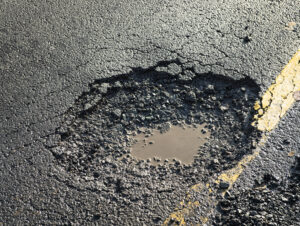
If you’ve noticed cracking in your asphalt driveway in Mooresville, you’re not alone. With our region’s humid subtropical climate, freeze-thaw cycles in winter, and the summer heat that bakes surfaces along Brawley School Road and around Lake Norman, asphalt driveways take a real beating.
Cracks aren’t just cosmetic. They are early signs that your driveway needs attention before the damage spreads. As a Mooresville-based asphalt contractor, we’ve helped countless homeowners from Morrison Plantation to the Brookridge Estates area restore their driveways and prevent future problems.
Here’s exactly what to do if cracking has started.
Key Takeaways
- Small cracks in Mooresville driveways often come from the sun, water buildup, or weak soil under older asphalt surfaces.
- A clean crack with flexible filler lasts longer through Mooresville’s changing weather and heavy summer rainfall patterns.
- Sealcoating, avoiding heavy vehicles, and cutting back roots help prevent cracking across driveways in local neighborhoods.
- Poor drainage and deep damage need expert repair from a Mooresville contractor who understands local soil and weather.
Inspect the Type and Severity of the Cracks
Before rushing into asphalt repairs, it’s important to assess what you’re dealing with.
In Mooresville, we often see hairline cracks caused by surface oxidation from UV exposure, especially on older driveways in neighborhoods like Curtis Pond.
On the other hand, wider alligator cracks—often due to poor drainage or base failure—are more serious and common on sloped lots near East Waterlynn Road. Knowing the crack type helps determine whether a simple patch will do or if a deeper structural issue needs attention.
Check for Drainage Issues Around the Driveway
Many asphalt driveways in Mooresville were built without proper grading or have settled over time. Standing water near the edges, particularly after one of our frequent late-summer storms, can cause cracks to worsen.
If you’re near areas like Kistler Farm Road or Spring Acres, where clay-heavy soils retain moisture, checking for pooling water or signs of erosion is essential.
Inadequate drainage may be the root cause of your cracking and needs to be corrected before any repairs are made.
Clean the Cracks Thoroughly Before Any Repair
We always advise homeowners to clean the cracks thoroughly before any kind of sealing or filling. Mooresville’s mix of pine needles, pollen, and red clay dust—especially prevalent in wooded areas like Cherry Grove—can settle into cracks and prevent sealants from bonding properly.
Use a stiff wire brush, a leaf blower, or even a power washer if needed to remove all debris. This prep work is what ensures the repair materials actually do their job.
Apply the Right Filler or Sealant for Local Climate Conditions
Choosing the right crack filler makes a big difference.
For Mooresville’s temperature swings—from frosty January mornings to 90+ degree afternoons in July—you need a flexible asphalt filler that can expand and contract with the weather. Products rated for freeze-thaw cycles are especially important for homes in elevated neighborhoods like The Point, where winter temps dip lower than in town.
If the cracks are over half an inch wide, we recommend a hot rubberized crack filler professionally applied to ensure a long-lasting seal.
Schedule a Professional Assessment for Deeper or Spreading Cracks
If your cracks are spreading or forming patterns, that’s usually a sign of a deeper problem beneath the surface. This is where DIY solutions won’t cut it.
We regularly inspect driveways across Mooresville for base failure, improper compaction, or subgrade erosion—particularly in older developments off Mecklenburg Highway where soil movement is more common.
A professional assessment will determine if you need patching, resurfacing, or even a partial rebuild to fix the underlying cause.
Know How to Maintain a Crack-Free Driveway
If you want to keep your asphalt driveway crack-free in Mooresville, here’s what we recommend doing on a regular basis.
Schedule Routine Sealcoating Every 2–3 Years
Sealcoating is one of the most effective ways to protect your asphalt surface from oxidation and moisture. In Mooresville, where heavy sun exposure and high humidity break down asphalt faster, we recommend homeowners in areas like Winslow Bay or Harbor Cove reapply sealcoat every 2 to 3 years.
This creates a barrier against UV rays, water, and vehicle fluids—essential for keeping your surface flexible and resistant to cracking.
Keep Heavy Vehicles off the Driveway Whenever Possible
Many Mooresville households own boats, trailers, or RVs—especially those living near Lake Norman. Parking heavy vehicles on your residential driveway for extended periods can stress the asphalt, leading to cracks and early wear.
We always advise clients near Williamson Road or Canvasback Road to use reinforced parking pads or park heavier vehicles in the street when possible to protect their driveway investment.
Manage Vegetation Growth Near the Driveway Edges
We see it all the time in neighborhoods like Franklin Grove—tree roots pushing up from underneath or grass growing into the asphalt edges. These roots can cause shifting and cracking over time, especially from fast-growing species like sweetgum or maple.
Trimming back roots, installing edge barriers, and keeping grass trimmed at the driveway border can go a long way in preventing edge cracking and surface displacement.
Address Snow and Ice With Proper Removal Tools
When winter rolls into Mooresville, especially in higher elevation areas like Ferncliff Estates, using metal shovels or rock salt can do more harm than good.
Metal edges scrape the asphalt, and salt speeds up freeze-thaw damage. Instead, use a plastic shovel and opt for calcium chloride if deicing is needed. It’s gentler on the asphalt and just as effective at melting snow and ice safely.
Inspect and Maintain Drainage Channels Regularly
Whether you live near the Mooresville Golf Course or closer to downtown along Statesville Avenue, keeping drainage ditches, gutters, and swales clear is key to protecting your driveway. Leaves and debris from fall storms can clog these channels quickly, leading to standing water and eventual cracking.
Make it a seasonal habit—especially after heavy rain—to walk your property and ensure water is flowing away from your asphalt surface.
Protect Your Driveway Before Small Cracks Become Big Repairs
At Regional Asphalt Services, Inc., we help homeowners across Mooresville—from quiet cul-de-sacs in Gabriel Estates to the lakefront properties near Langtree Road—protect and restore their asphalt driveways before the damage spreads.
We understand the local conditions, from soil type to stormwater challenges, and we know which materials and repair methods work best here.
Don’t wait until the cracks take over.
Call us today to schedule a professional driveway inspection or request a quote for repair or sealcoating. We’ll give you an honest assessment, local insight, and high-quality work that lasts.
Frequently Asked Questions
How long does an asphalt driveway repair usually take in Mooresville?
Most residential crack repairs in Mooresville take less than a day, but larger patching or resurfacing projects can take one to two days, depending on driveway size, weather, and existing damage conditions.
Can you resurface an asphalt driveway instead of replacing it completely?
Yes, if your driveway has surface wear but a stable base, we offer resurfacing services that restore appearance and function without full replacement, saving time and money for Mooresville homeowners.
How soon can I drive on my asphalt after a repair or sealcoating?
After sealcoating or crack repair, we recommend waiting at least 24 to 48 hours before driving, especially during Mooresville’s humid seasons when cure times can be slightly longer than average.
What causes potholes to form in residential driveways?
Potholes form when water enters cracks, freezes during colder Mooresville nights, and weakens the asphalt. We offer full-depth patching to fix these issues before they become larger structural problems.
Smooth Roads on a Steep Street: How We Revitalized a Charlotte Subdivision
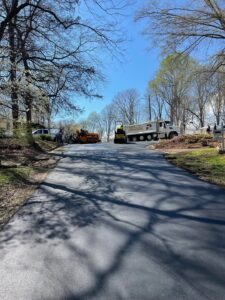 There are few things more frustrating for homeowners than navigating a rough, worn road just to get to their own driveway. When the community association of a well-established subdivision in Charlotte, NC approached us, Regional Asphalt Services, Inc., they asked for two things: safer, smoother travel for residents, and a fresh, clean look that would last through seasons.
This was more than a “resurface and go” job.
The existing pavement had seen decades of wear, and the road sat on a steep incline with strict landscaping on both sides. What you see now is not just blacktop. You’re witnessing a careful dance of grading, paving, and coordination in a mature neighborhood.
From Worn to Wow: Where We Started
When we first walked the site in early spring, several issues became clear:
- The surface was uneven, full of ruts and wear lines from past patching.
- The grade of the roadway was critical: water had to shed efficiently toward drainage areas.
- The road corridor was narrow, flanked by mature trees and landscaping. Any mistake with heavy machinery or paving trucks could damage root systems, curbs, and gardens.
- Given the timing (early in the paving season), ambient and surface temperature swings threatened proper asphalt curing.
Our client’s goals were straightforward, but the path to them required precision.
Planning for Precision on a Steep Grade
1. Laser-Guided Grading
Because of the steep slope, achieving consistent asphalt thickness and uniform slope was nonnegotiable. We used laser-grade controls on our milling and grading machines to maintain the correct crown and fall for water runoff. This allowed us to avoid “pooling” at low spots, which often become deterioration zones over time.
2. Tight Staging and Crew Coordination
Working in a live residential neighborhood meant that traffic control and scheduling were critical.
We broke the project into segments so that only one stretch was active at a time.
Our asphalt paving, rolling, and cleanup crews operated in tight sequence so that disruption to residents was minimal—even though we were running heavy equipment.
3. Edge-Sensitive Handling
Because the road was lined with established trees and plantings, we deployed small wheeled pavers and milling machines near the edges, and soft-mat tracks where needed.
Every grade and compaction pass kept within strict tolerances, avoiding encroachment into tree root zones or gardens.
4. Temperature Management
We scheduled paving runs carefully, starting as early as the asphalt plant could load in the morning and seeking to finish before late afternoon cooling set in. We monitored mix temperature, base temperature, and ambient readings to maintain compaction windows.
Our crews adapted rolling patterns as surface temperatures dropped.
The Transformation: What Homeowners Experience Now
By midday on the closing week, we achieved:
- A smooth, uniformly compacted blacktop surface that immediately improved vehicle handling.
- Precisely maintained road slope, ensuring effective drainage and reducing long-term wear.
- No visible damage to adjacent landscaping, curbs, or tree roots—neighbors told us they could barely tell crews had been present beyond the fresh asphalt.
- A strong visual upgrade from faded, rutty pavement to bold, clean streets—a curb appeal boost for the entire subdivision.
We completed the full stretch without major traffic lockouts or complaints. The community association was thrilled with the outcome.
What Made This Project Work — and Why It Matters for Your Subdivision
This project shows how much more goes into paving than just laying asphalt. For subdivisions in Charlotte or anywhere with steep terrain and mature landscaping, success depends on:
- Laser-controlled grading for consistent slope
- Tight coordination across equipment, traffic control, and crews
- Sensitive edge handling near landscaping
- Timing the work to avoid thermal constraints
If your streets are showing age, or your next paving project has challenging terrain, we’d love to show you what we’ve done in similar settings. Contact us, and let us walk your site in Charlotte (or nearby).
Building the Backbone of a Ranch: Paving a Private Road in Charlotte
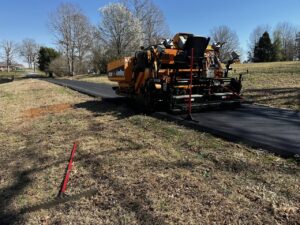 Out on a ranch, the road isn’t just a way in—it’s a lifeline.
It carries trucks, trailers, hay bales, equipment, guests, and family. When we were called out to a rural property near Charlotte, NC, the owner made one thing clear: they didn’t just want a paved road—they wanted a road that felt like it belonged.
At Regional Asphalt Services, Inc., we know that building roads in wide-open country isn’t about dropping asphalt on dirt. It’s about shaping the land to work with the weather, with the terrain, and with the life the road will support.
Here’s how we turned a winding dirt track into a smooth, durable, and ranch-worthy road.
First Comes the Walkthrough
Every project starts with boots on the ground. This ranch was classic Charlotte countryside—rolling open fields, soft clay subgrade, and long views under wide skies. The access road curved gently through open grass, with barely a tree in sight.
But beauty brings its own challenges. With no canopy cover, the road would take the full force of the sun and storms. Rainwater had already started carving shallow ruts along the edge of the existing dirt path.
We mapped out problem spots, noted water flow directions, and discussed the owner’s priorities: longevity, clean aesthetics, and minimal maintenance.
Preparing the Path: More Than Just Dirt Work
Before the first drop of asphalt ever hits the ground, the groundwork is everything. We shaped and graded the sub-base carefully, ensuring water would shed properly rather than sit and soak.
That meant adding subtle slopes and correcting low areas where pooling might otherwise weaken the pavement from below.
Then came the gravel base—spread, leveled, and compacted to form a solid foundation. Ranch roads see everything from light pickups to heavy trailers, so we overbuilt the base a bit to ensure long-term strength.
Paving with the Right Tools and Touch
For the final asphalt layer, we brought in our LeeBoy 8515E paver, a machine designed for precision in tighter rural layouts. It allowed us to lay a consistent, even surface, even along the curved sections of the road.
What made the difference was the attention to detail:
- Clean edge work so the asphalt blends neatly into the surrounding grass
- Gradual transitions to make mowing easy and keep erosion down
- Tight compaction to seal the surface against water and wear
Even on a quiet ranch road, quality is visible. The finished surface was smooth, solid underfoot, and visually sharp against the natural greens of the landscape.
A Road That Works as Hard as the Ranch It Serves
The end result wasn’t flashy—but it was exactly what the property needed.
Now, trucks and guests glide in without worrying about dust, ruts, or puddles. The owner gets a road that performs in every season, looks great year-round, and stands up to the demands of ranch life.
And for us, that’s the satisfaction: building infrastructure that fits the land, serves the people, and holds up in real-world conditions.
Your Road Deserves More Than Gravel
If you’ve got a ranch or rural property near Charlotte and you’re still relying on a dirt track, let’s talk. A professionally paved access road can change how you use and enjoy your land—while cutting down on constant upkeep.
Reach out to us today. We’ll walk the land with you and help design a private road that’s as strong as the work you do on it.
Turning a Wooded Driveway into a Smooth Asphalt Road — A Charlotte Project Story
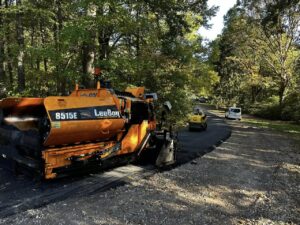 When a homeowner in a forested corner of Charlotte, NC called us, they had a clear vision: a clean, durable asphalt roadway winding through heavy tree cover, blending with nature while performing flawlessly for years.
That kind of balance is exactly what motivates us at Regional Asphalt Services, Inc. Every driveway we pave is more than blacktop — it’s a lasting welcome to the home.
From Trees to Tarmac: A Road with Constraints
This private road would pass through dense woods. The area posed two big challenges:
- Limited access for machinery. Narrow clearances made it tricky for a paver, roller, and support trucks to maneuver.
- Uneven and subpar gravel base. Without a strong, stable foundation, even the best asphalt overlay can fail prematurely.
Throw in the fact that heavy shading from overhanging canopies affects how water drains and asphalt cures, and you have a job that demands both finesse and muscle.
How We Solved It — Step by Step
1. Careful Planning Around the Trees
We began by walking the entire road alignment with the homeowner, marking precise turns, width constraints, and critical sections where tree limbs would need trimming (or protection). Our priority: minimal disturbance to the environment.
We decided in advance where our pull-offs and staging areas would go, staying clear of native roots and sensitive zones.
2. Subgrade and Gravel Correction
Under the original loose and irregular gravel, there were dips, washouts, and soft spots. We graded the surface, added necessary fill material, and compacted it carefully to achieve uniform slope and drainage.
In places where root action or shade had held moisture, we introduced better drainage lines so water wouldn’t stagnate under the pavement.
3. Setting up for the Asphalt
Space being tight, we brought in a LeeBoy 8515E asphalt paver — compact but powerful. We also used a Wacker Neuson roller for tight, yet efficient compaction. These machines offered surprising maneuverability without sacrificing performance.
4. Paving With Precision
With the base ready, we laid fresh asphalt in one continuous pass where possible, adjusting our speed to maintain temperature and smoothness under heavy tree shadows.
Our crew monitored edge control constantly to avoid overrun (which is especially visible when surrounded by foliage). We achieved clean, well-defined edges that matched the homeowners’ expectations for a neat finish.
5. Final Rolling and Inspection
Once laid, the asphalt underwent multiple compaction passes, ensuring full density and bonding to the gravel beneath. Our crew then walked every joint, ramp, and transition, ensuring no loose stones, no burrs, and no drainage issues.
Seamless Asphalt Meets Your Gates
- The homeowner now drives over a smooth, durable surface that flows through the trees without feeling intrusive
- Transitions from gravel to asphalt are nearly invisible — no sudden “jumps” or edges
- Edges are crisp and clean, with no overrun spilling into the woodland
- With the correct base prep and drainage work, the road is protected against long-term moisture, root pressure, and shaded decay
“Once the sun hits it in the morning, you’d never guess it winds through a dense forest,” the homeowner told us after the first rain settled.
Let’s Pave the Way Through Your Property—Smoothly and Sustainably
Ready to transform your private road — even through tricky terrain or tree cover?
Contact us today for a site evaluation. We’ll walk with you down the proposed alignment, assess your base conditions, and deliver a plan that respects your land and your investment.
Turning a Winding Rural Driveway into a Smooth, Striking Entryway in Charlotte
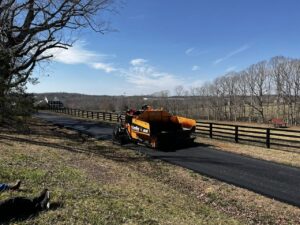 Tucked away in a quiet, tree-lined corner of Charlotte, NC, this rural-style property presented the kind of driveway project we love: long, scenic, and full of potential. The homeowner’s goal was clear—turn a bumpy, weather-worn path into a smooth, attractive entryway that complemented the beauty of the land while improving everyday function.
But with rolling hills, mature trees, and a winding route framed by post-and-rail fencing, this wasn’t your average asphalt paving job.
Making the Most of a Rural Charlotte Property
Driveways out in the more secluded parts of Charlotte come with their own set of challenges—and rewards.
In this case, the long path leading to the home curved gently through open land, bordered by old-growth trees and a handsome fence line. The homeowner wanted something that looked polished without feeling out of place in the natural surroundings.
Our job was to pave a professional asphalt driveway that not only looked great but also held up to the terrain and the test of time.
That meant starting with solid grading and drainage—key to avoiding puddles, cracks, and erosion in a climate like Charlotte’s, where sudden downpours aren’t uncommon.
Grading, Compaction, and Careful Equipment Use
Because of the property’s elevation changes and soft rural soil, grading and compaction needed extra attention. We used laser-guided equipment to ensure consistent slope and flow, guiding rainwater away from the pavement and preventing low spots.
One of the trickier aspects?
Maneuvering heavy paving machinery through the long driveway without disturbing the surrounding fence or landscaping.
We brought in a compact, high-efficiency crew to carefully navigate the path without compromising the existing features that gave the property its character.
In areas near the fencing and trees, we paid special attention to edge lines—laying clean transitions from pavement to landscape that maintained the rustic charm of the property while offering the durability of modern asphalt.
A Driveway That Looks—and Feels—Like an Upgrade
When the final layer of asphalt was rolled out, the difference was immediate. The once-bumpy, uneven driveway had been transformed into a smooth, seamless surface with crisp edges and a clean connection to the main road.
Not only is it now easier for residents and guests to access the home, but it’s also safer—particularly at night or during rain when rough terrain used to be a hazard. The curb appeal boost didn’t go unnoticed either.
With the blacktop’s fresh, finished look cutting a clean line through the property’s greenery, the driveway now feels like a natural extension of the home itself.
Planning a Driveway Project in Charlotte?
If you’re in the Charlotte area and looking to upgrade a long residential driveway—especially one on rural or uneven terrain—we’d love to help you design something that works for your landscape and your lifestyle. At Regional Asphalt Services, Inc., we take pride in doing the kind of detailed work that blends function with aesthetics.
Let’s walk your property together and talk through your goals.
Reach out today to schedule a consultation and get started on a smoother path forward.


